

Benedict’s Law: Why Allergy Training Matters for Every School Staff Member
Are you a supply teacher or teaching assistant looking for some help and advice? If so, you are in the right place. Our blogs offer tips and tricks on everything from classroom management to interview tips and support, along with day in the life case studies from real supply teachers, ECTs and cover supervisors. They also give you an insight into what working for Smile is like, the ways which we support local communities and charities and the training and events that we offer.
For more good stuff like this, follow us on social media - you can find us on Facebook, Instagram, Twitter and LinkedIn. Or pick up the phone and give us a call.
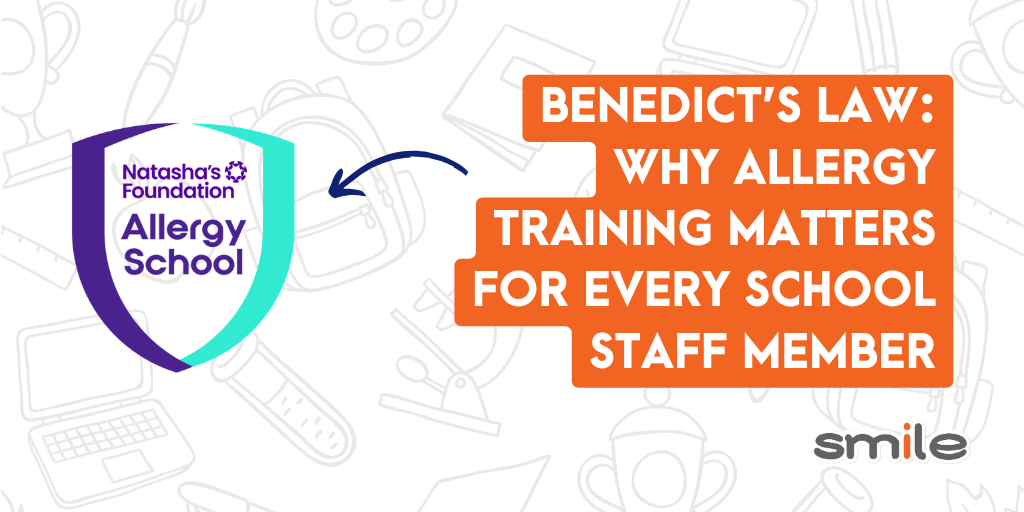
Benedict’s Law and the new Allergy Safety in Schools statutory guidance introduce stronger expectations for schools in England, including allergy safety policies and allergy awareness training for staff. The Department for Education guidance covers recognising allergic reactions, emergency response, staff training and learning from incidents and near misses.
What is Benedict’s Law?
Benedict’s Law, named in memory of five-year-old Benedict Blythe who died following an allergic reaction at school, aims to improve allergy safety and create a more consistent approach across schools.
From September 2026, schools will need to consider allergy safety as part of their wider responsibilities for supporting pupils with medical conditions. This includes ensuring staff have appropriate allergy awareness and emergency response training.
Why is allergy training so important?
An allergic reaction can happen anywhere and at any time - not just in the classroom. A pupil could experience a reaction in the playground, dining hall, on a school trip or during an after-school activity.
That’s why allergy awareness shouldn't sit solely with a designated first aider. Everyone working with children should understand the signs of an allergic reaction and know how to respond appropriately.
- Free allergy training can help education professionals:
- Recognise the symptoms of an allergic reaction and anaphylaxis
- Understand what to do in an emergency
- Know how adrenaline auto-injectors are used
- Understand their role in keeping pupils with allergies safe
- Support a more inclusive and allergy-aware school environment
Allergy awareness at Smile Education
At Smile Education, safeguarding is at the heart of everything we do.
That's why every candidate registered with Smile Education undergoes allergy awareness training as part of our commitment to preparing education professionals to work safely in schools.
This means our schools can have greater confidence that the candidates we place understand the importance of allergy awareness and have received relevant training before entering the school environment.
However, allergy safety is a shared responsibility. We encourage all school staff to take advantage of the free training and webinars available through Allergy School to build their knowledge and confidence.
Take the free Allergy School training
The Allergy School programme provides free allergy and anaphylaxis training and resources specifically designed for education professionals. It also offers free webinars covering Benedict’s Law and the new statutory guidance.
Taking the time to complete this training could help you feel more confident recognising and responding to an allergic reaction and ultimately help create a safer environment for every child.
At Smile Education, we believe every member of the school community has a role to play in keeping children safe.
Find out more and access the free training and webinars at Allergy School: https://allergyschool.org.uk/allergy-anaphylaxis-training-for-schools/
Further guidance
The Department for Education's Allergy safety in schools statutory guidance provides further information for schools on allergy policies, staff training, Individual Healthcare Plans, incident reporting and emergency preparedness.
Please note: This article is intended as general information for education professionals and should not replace the Department for Education's statutory guidance or specialist medical advice.
Add a comment:
Blog Categories
Latest Blogs
Benedict’s Law: Why Allergy Training Matters for Every School Staff Member
Preparing Schools for September 2026: A Guide for Multi Academy Trust Leaders
Top Tips for Early Career Teachers (ECTs): 8 Lessons Recent Teachers Wish They'd Known
Thinking About a Career in Recruitment in Birmingham or Manchester? Here's What It Really Takes in 2026
Enquire Learning Trust Selects Smile Education for Managed Service Provision








Website by BARE
Company reference number: 08608284
Registered Address: Smile Education, The Colmore Building, Colmore Circus Queensway, Birmingham, B4 6AT